Shockwave is one of the more interesting tools we have and one of the easiest to oversell. Here is the grounded version: what it actually is, what it feels like, the problems it genuinely suits, and where the evidence is stronger and weaker.
What is shockwave therapy?
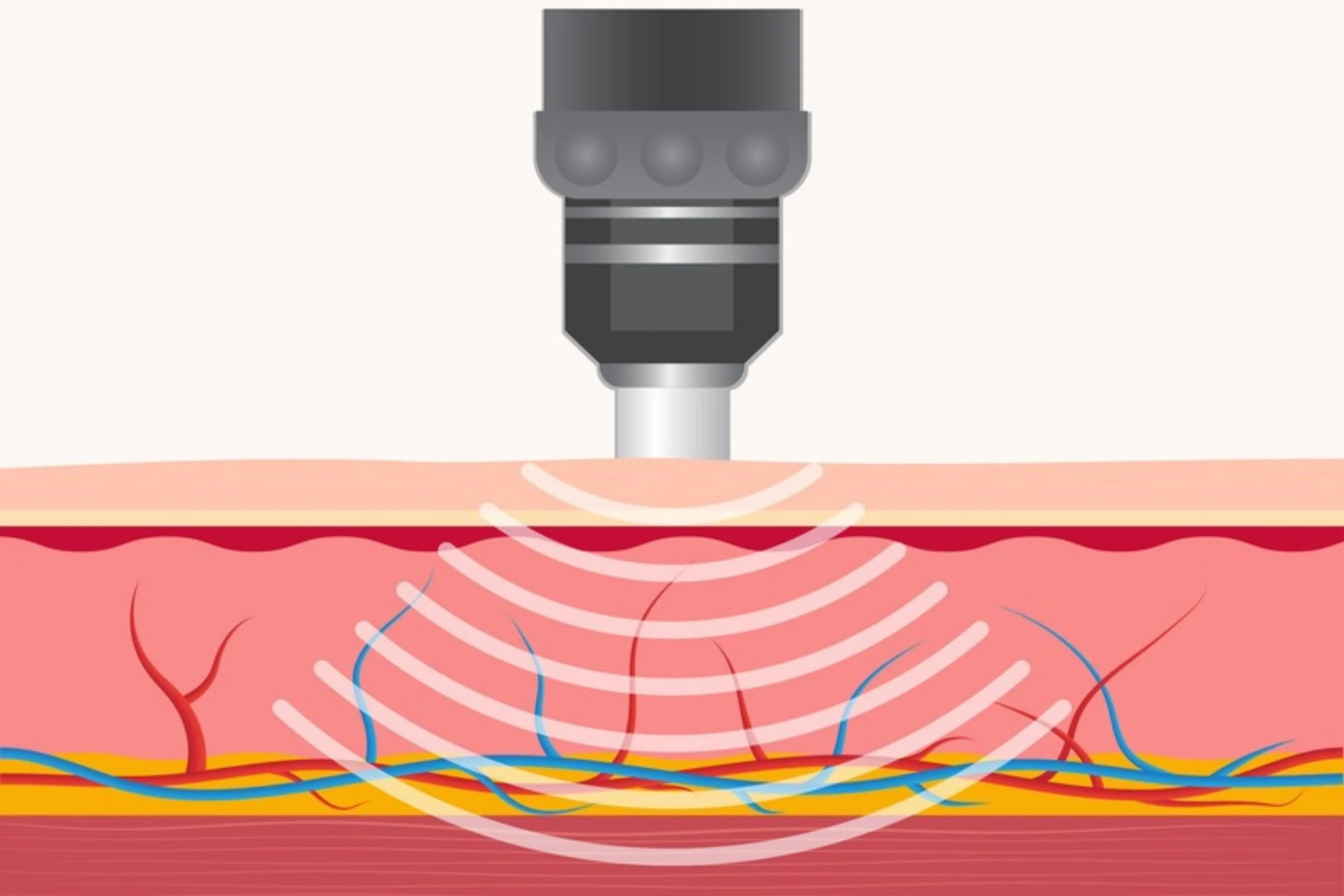
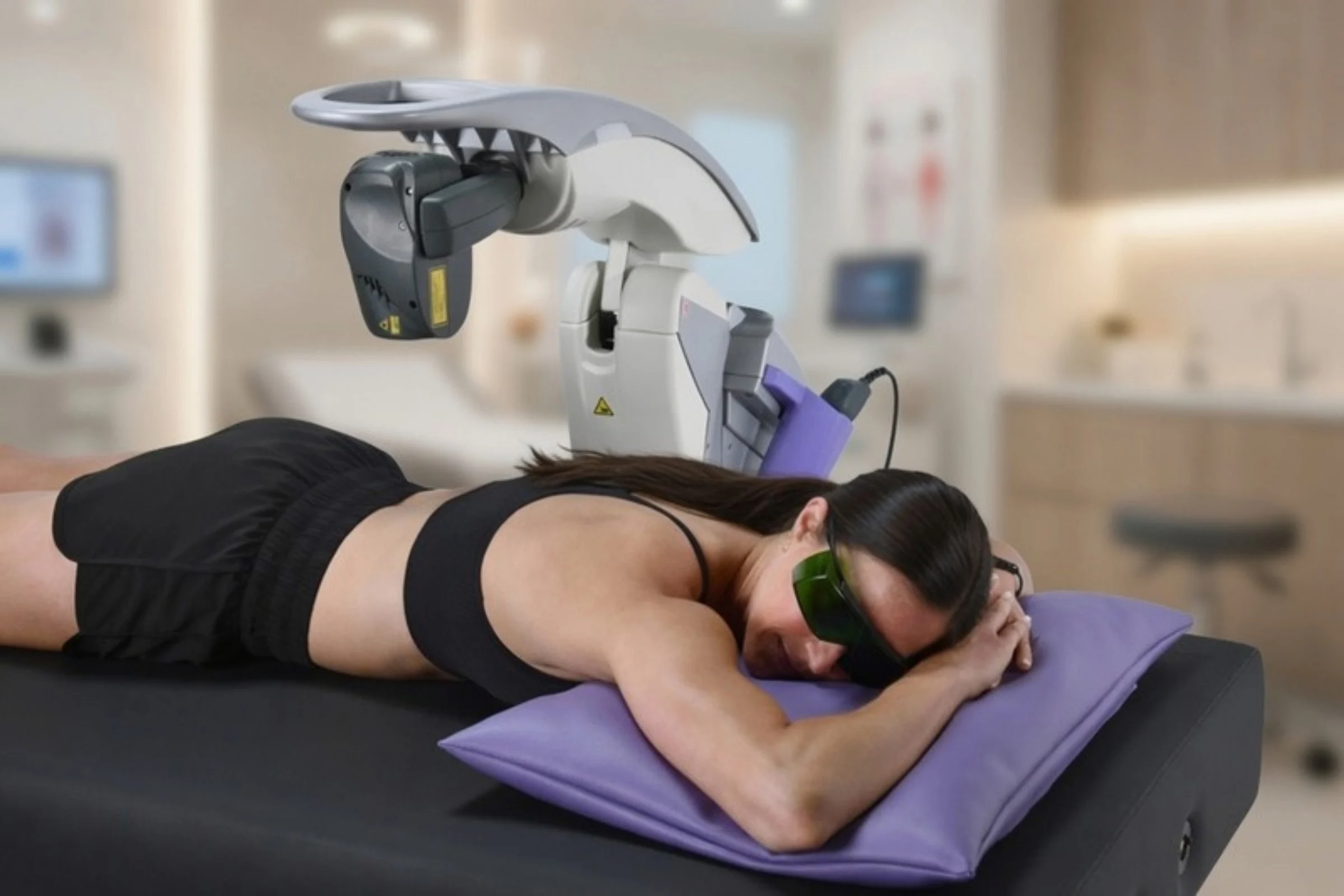
A handpiece is pressed against the skin over the problem area and delivers a rapid series of acoustic pressure waves into the tissue below. It is mechanical energy rather than electrical, and nothing enters the body. You will hear a firm tapping and you will feel it clearly.
The thinking is that a tendon or fascia sore for months has settled into a stalled state, where the normal repair process has quietly given up. The waves are used to interrupt that and prompt the area to start responding again. We use it as one part of a plan, alongside the hands-on work and the loading that rebuild the tissue properly.
Who is it for?
This is the one we reach for when something has been going on for months rather than days, and when rest, movement, and hands-on work have taken it as far as they will go on their own.
- Heel pain and plantar fasciitis that has outlasted the usual advice.
- Long-running tendon problems at the elbow, shoulder, knee, or Achilles.
- An area that improves with care and then slides back to where it started.
- Active people who want a non-invasive option before considering anything stronger.
It is a poor fit for a fresh injury, for general stiffness, and for pain that is not coming from tendon or fascia at all. There are also situations where we would not use it, including pregnancy, over a known clot, over an active infection, or near a growth plate in a child. A short check before we begin settles all of that.
Does it hurt?
Somewhat, and we would rather be straight about it than have you surprised. Most people describe a strong, rapid tapping that is uncomfortable while the handpiece is over the sore spot, particularly in the first minute. It is brief, we can adjust the intensity as we go, and it usually eases off during the session itself. Nobody should be gritting their teeth through it, and if you are, we change something.
Is shockwave proven to work?
For long-standing heel pain and several tendon problems the evidence is reasonably encouraging, and it is one of the better supported options we offer for those specific complaints. Push beyond them and the picture thins out quickly. We offer it for the problems it actually suits, and we will say plainly when your situation is not one of them rather than sell you a course of it.
What does a session involve?
We locate the exact sore spot, apply a little gel, and work the handpiece over the area for a few minutes. You are in and out quickly and can drive, work, and carry on as normal afterwards. The area can feel tender or slightly achy for a day, which is expected. Shockwave is usually done as a short series a week or so apart rather than as a one-off, and we review whether it is earning its place as we go.
- No referral needed to book a first visit.
- We go over the costs with you before anything begins, so you know what to expect.
- Clear, up-front pricing if you are paying out of pocket, with no packages you did not ask for.
Coverage for shockwave varies by plan and it is often not covered at all. We cannot promise a specific outcome or what your insurance will pay. What we can promise is an honest read on whether your problem is the kind shockwave actually suits, and a straight answer if it is not.